


‘None of Us Was Prepared’—Caring for Vulnerable People during the Heatwave in Sweden in 2018
Year: 2023
Published in: Journal of Emergency Management
Climate change is increasing the risk for extreme weather events such as heatwaves, including in northern countries like Sweden, which until recent years has had limited experiences of coping with extreme heat. Based on predictions that Sweden will be more frequently exposed to heatwaves in the future, it is imperative to increase the societal resilience and adaptation measures. This paper presents a qualitative interview study involving 19 participants and their experiences of caring for vulnerable people during the heatwave in 2018.
The participants represent four different organizations (working directly or indirectly with vulnerable people) in two municipalities in Sweden, including preschools, homes for the elderly, homecare services, and care homes for people with functional impairments, which were all impacted during the heatwave. This study contributes new empirical insights about the heatwave in 2018 and, in particular, similarities and differences in both experiences and adaptation measures across the four organizations. The findings show how both staff and vulnerable people suffered from the consequences of heat which increased vulnerability, how some organizations lacked enough (qualified) staff to secure routines, and that few evaluations and formal changes were done after the heatwave.
HeatHealth h2
HeatHealth h3
HeatHealth h4
Climate change is increasing the risk for extreme weather events such as heatwaves, including in northern countries like Sweden, which until recent years has had limited experiences of coping with extreme heat. Based on predictions that Sweden will be more frequently exposed to heatwaves in the future, it is imperative to increase the societal resilience and adaptation measures. This paper presents a qualitative interview study involving 19 participants and their experiences of caring for vulnerable people during the heatwave in 2018. The participants represent four different organizations (working directly or indirectly with vulnerable people) in two municipalities in Sweden, including preschools,
HeatHealth
Climate change is increasing the risk for extreme weather events such as heatwaves, including in northern countries like Sweden, which until recent years has had limited experiences of coping with extreme heat. Based on predictions that Sweden will be more frequently exposed to heatwaves in the future, it is imperative to increase the societal resilience and adaptation measures. This paper presents a qualitative interview study involving 19 participants and their experiences of caring for vulnerable people during the heatwave in 2018. The participants represent four different organizations (working directly or indirectly with vulnerable people) in two municipalities in Sweden, including preschools,
Heathealth
Climate change is increasing the risk for extreme weather events such as heatwaves, including in northern countries like Sweden, which until recent years has had limited experiences of coping with extreme heat. Based on predictions that Sweden will be more frequently exposed to heatwaves in the future, it is imperative to increase the societal resilience and adaptation measures. This paper presents a qualitative interview study involving 19 participants and their experiences of caring for vulnerable people during the heatwave in 2018. The participants represent four different organizations (working directly or indirectly with vulnerable people) in two municipalities in Sweden, including preschools,
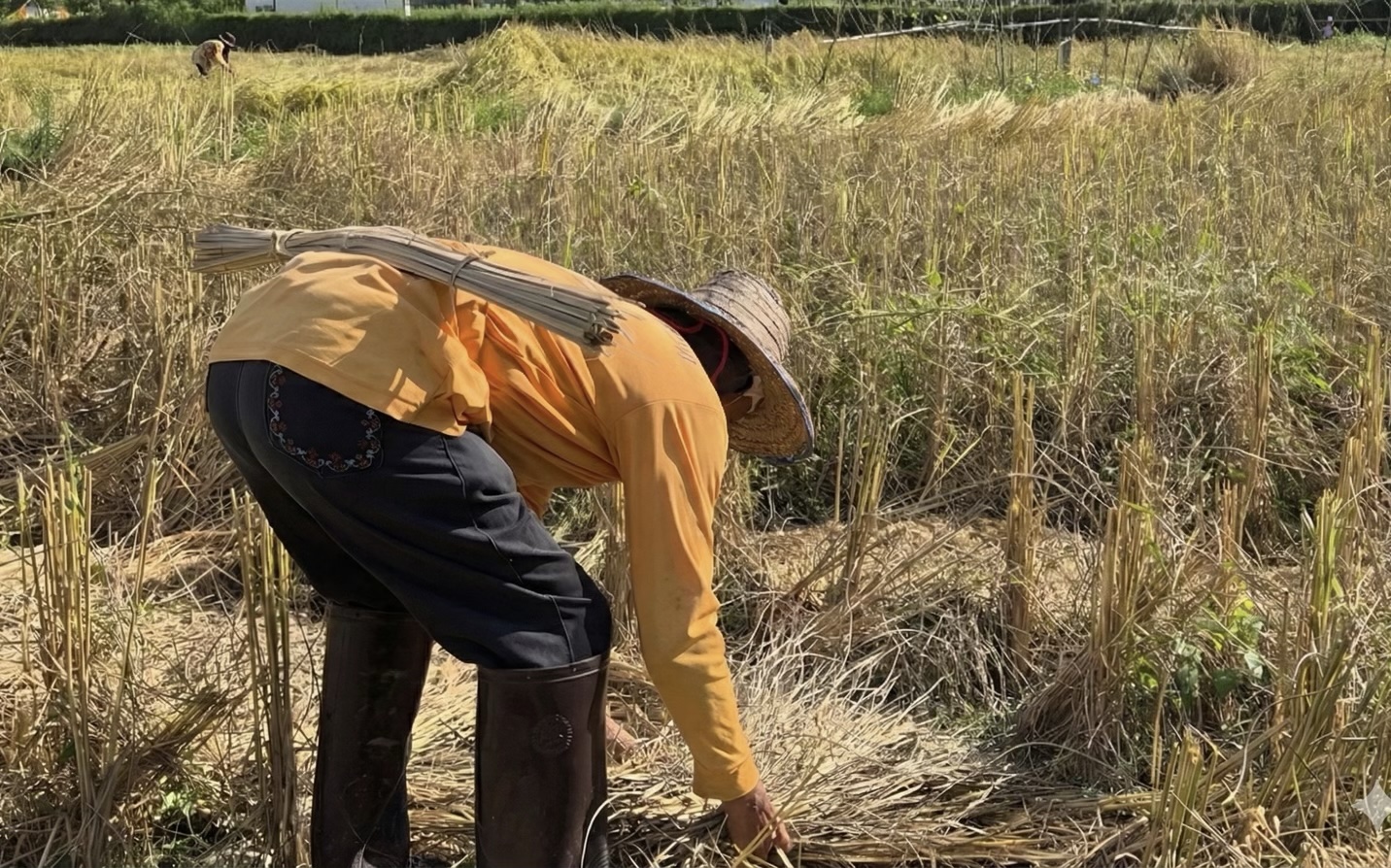
The rhythmic refrain, “Farmers are the backbone of the nation,” has long served as a testament to the labourers who fuel Thailand’s status as a premier global rice exporter. Yet, beneath this honourable epithet lies a harrowing reality, communities of small-scale farmers trapped in a cycle of poverty with limited options and physical deterioration.
Heathealth
Climate change is increasing the risk for extreme weather events such as heatwaves, including in northern countries like Sweden, which until recent years has had limited experiences of coping with extreme heat. Based on predictions that Sweden will be more frequently exposed to heatwaves in the future, it is imperative to increase the societal resilience and adaptation measures. This paper presents a qualitative interview study involving 19 participants and their experiences of caring for vulnerable people during the heatwave in 2018. The participants represent four different organizations (working directly or indirectly with vulnerable people) in two municipalities in Sweden, including preschools,
Heathealth
HeatHealth
Climate change is increasing the risk for extreme weather events such as heatwaves, including in northern countries like Sweden, which until recent years has had limited experiences of coping with extreme heat. Based on predictions that Sweden will be more frequently exposed to heatwaves in the future, it is imperative to increase the societal resilience and adaptation measures. This paper presents a qualitative interview study involving 19 participants and their experiences of caring for vulnerable people during the heatwave in 2018. The participants represent four different organizations (working directly or indirectly with vulnerable people) in two municipalities in Sweden, including preschools,
HeatHealth01
- Climate change is increasing the risk for extreme1
- Climate change is increasing the risk for extreme2
- Climate change is increasing the risk for extreme3
- Climate change is increasing the risk for extreme4
- Climate change is increasing the risk for extreme5
Climate change is increasing the risk1
- Climate change is increasing the risk for extreme
- Climate change is increasing the risk for extreme
- Climate change is increasing the risk for extreme
- Climate change is increasing the risk for extreme
- Climate change is increasing the risk for extreme
Climate change is increasing the risk
The rhythmic refrain, “Farmers are the backbone of the nation,” has long served as a testament to the labourers who fuel Thailand’s status as a premier global rice exporter. Yet, beneath this honourable epithet lies a harrowing reality, communities of small-scale farmers trapped in a cycle of poverty with limited options and physical deterioration.