
Impact of Climate Change on the Health of Peruvians: Challenges and Strategies for a Comprehensive Response
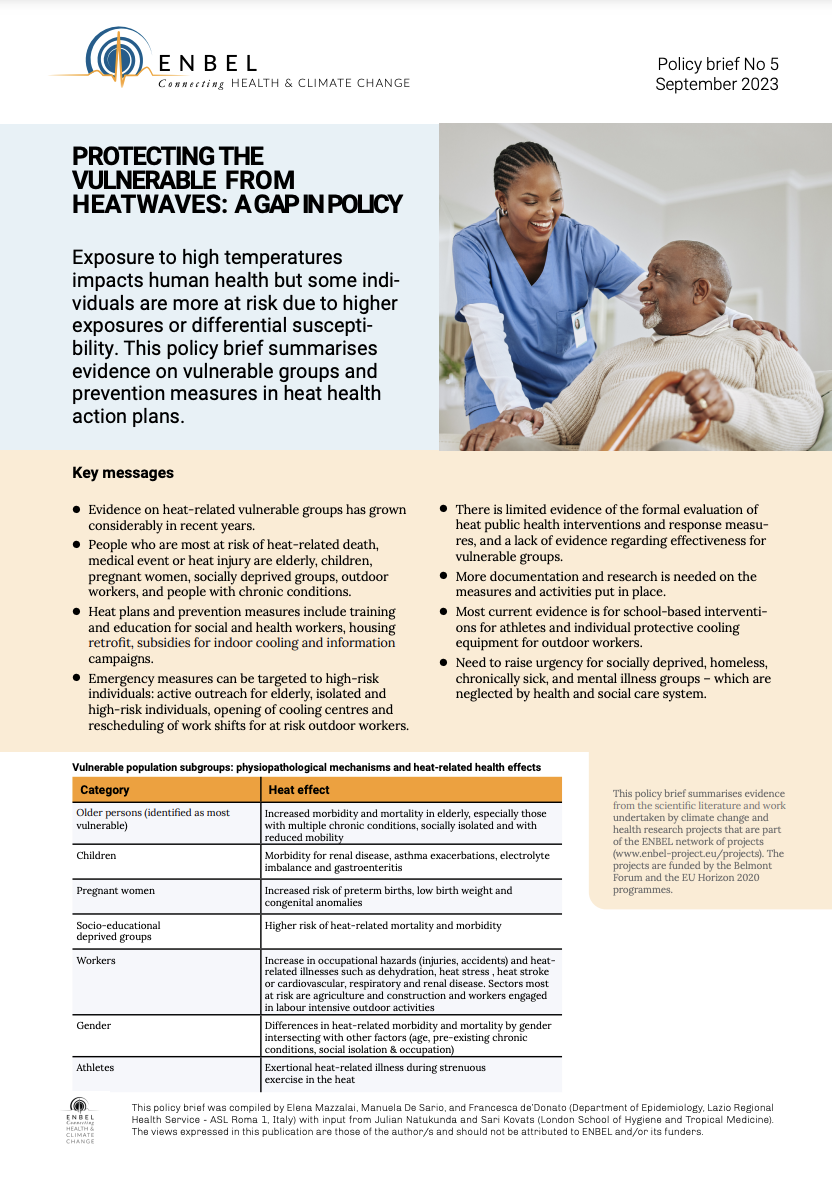
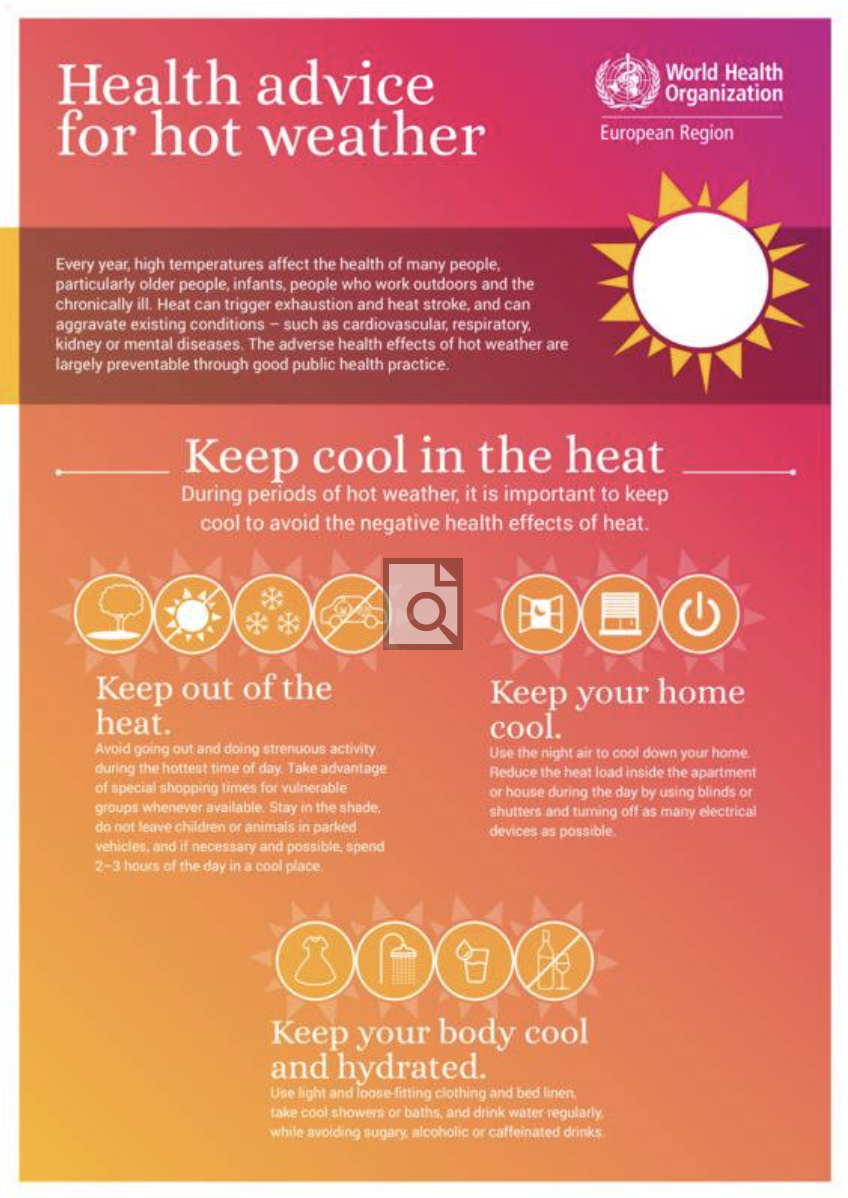
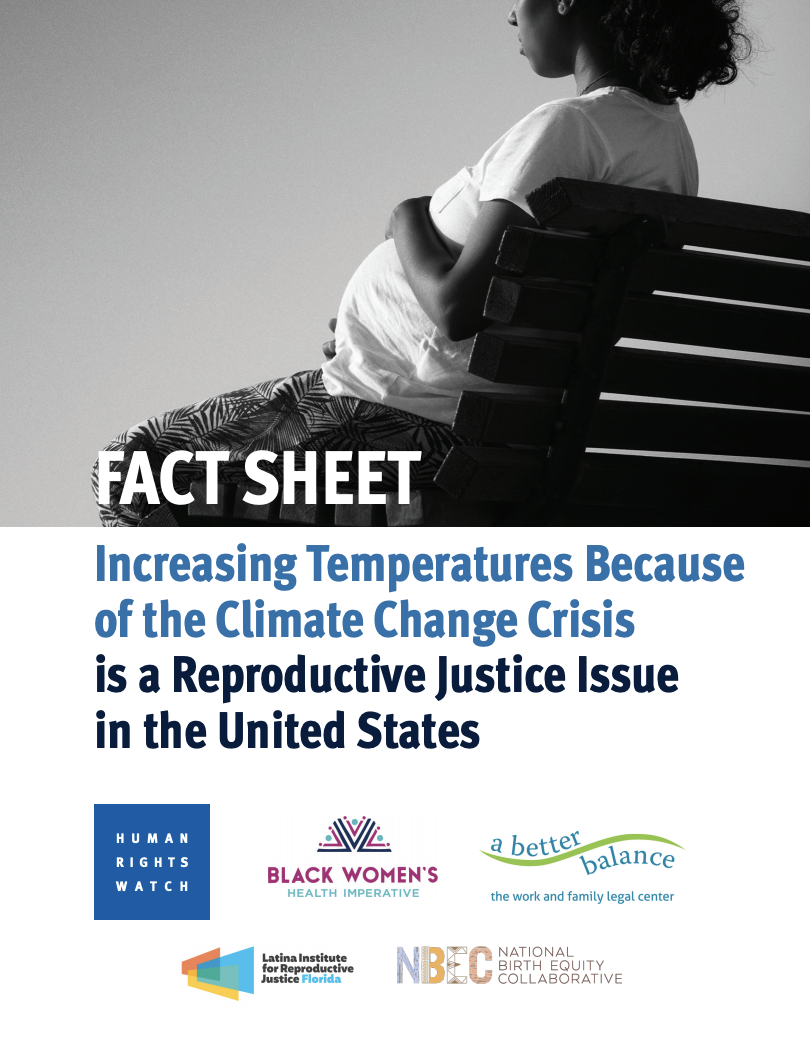
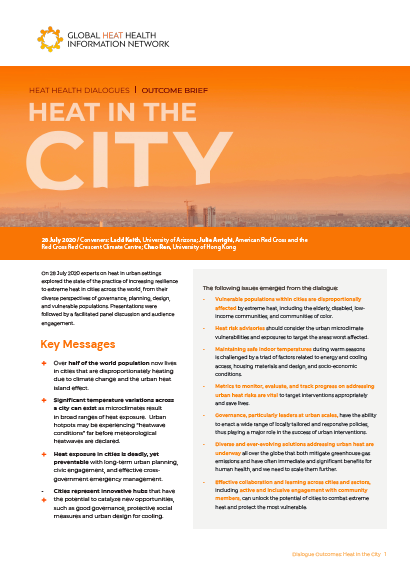
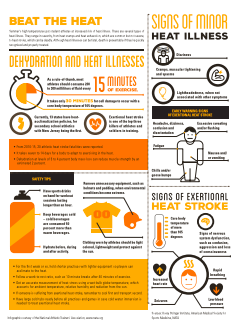
Climate change has a negative impact on the health of every society, including the Peruvian population. The effects of climate change, such as increased temperature or extreme weather events, are the cause of diseases, for example, air pollution (from forest fires), or water pollution (from floods). Likewise, these effects can lead to direct injuries from extreme events or chronic malnutrition by reducing agricultural production. Which can even increase vector-borne infections, such as dengue fever. In addition, the loss of infrastructure in health services, political instability and poor climate governance amplify these risks and significantly threaten the health and well-being of the Peruvian population.
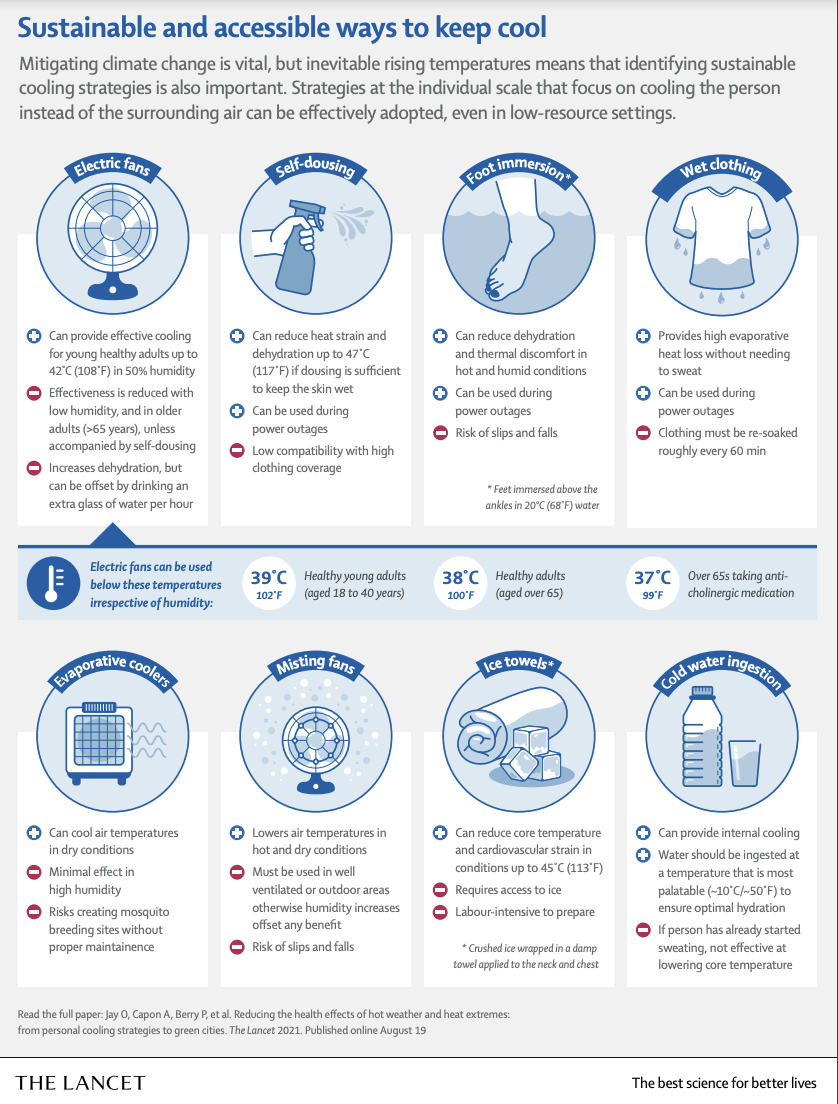
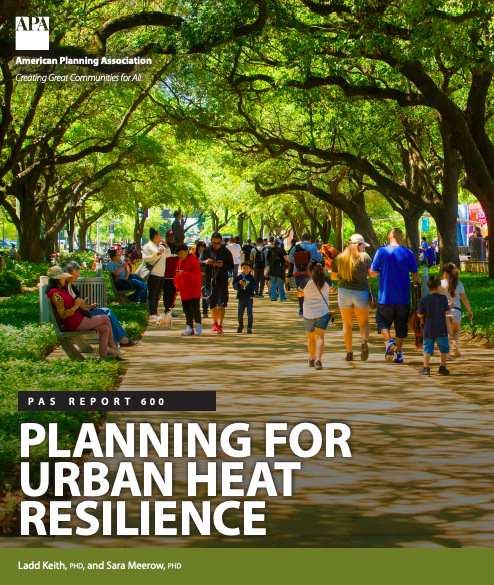
 40 ∘C in 68% of the observation days, a level which was never reached at the nearby campus of the Makerere University, and only a few times at the city outskirts. Large intra-urban heat stress differences are explained by satellite earth observation products. Normalized Difference Vegetation Index has the highest (75%) power to predict the intra-urban variations in daily mean heat stress, but strong collinearity is found with other variables like impervious surface fraction and population density. Our results have implications for urban planning on the one hand, highlighting the importance of urban greening, and risk management on the other hand, recommending the use of a temperature-humidity index and accounting for large intra-urban heat stress variations and heat-prone districts in urban heat action plans for tropical humid cities.